A good home insurance policy is more than a binder of paperwork you file away after closing. It is a contract that decides how your biggest asset will be repaired, what valuables get replaced, where you live if a fire makes the house uninhabitable, and how a lawsuit is handled if someone gets hurt on your porch. I have sat at kitchen tables after kitchen fires and watched relief turn to shock when a family realizes their coverage was set for a number that made sense five years ago, not for the cost of lumber and labor today. Most gaps are avoidable. They come from small choices or assumptions that creep in as years pass.
The goal here is simple: show you the pitfalls that experienced agents see over and over, then give you practical ways to steer around them. If you use a local Insurance agency, pick their brain. If you rely on a call center or online portal, slow down and read the fine print. A few conversations up front can save months of stress after a loss.
Mistake 1: Insuring the market value, not the rebuild cost
Home insurance pays to rebuild, not to buy your house again on Zillow. Market value swings with interest rates and school districts. Rebuild cost follows materials, labor, and building codes. They almost never move in sync.

I once reviewed a ranch home insured at 280 dollars per square foot because that is what the couple paid in 2016. Their contractor’s estimate to rebuild in 2023 came in at 365 to 410 per square foot due to roofing, electrical code updates, and a stucco shortage. That 30 to 45 percent gap would have come straight out of their pocket after a total loss.
Ask your insurer how they calculate Dwelling Coverage A. Modern estimating software factors roof type, exterior finish, kitchen grade, ceiling height, and regional labor rates. Push for a written replacement cost estimate that includes debris removal and code upgrades, not just sticks and bricks. If your house has custom features like a hand-laid tile roof or artisan millwork, flag it. Standard calculators undercount those details.
Mistake 2: Skipping extended or guaranteed replacement cost
Even good estimates can miss a surge in costs after a wildfire or hurricane. Extended replacement cost endorsements add a cushion, often 25 percent or more above your Coverage A limit. Guaranteed replacement cost, when available, commits the insurer to rebuild your home as it was, even if costs exceed the policy limit.
Carriers vary. Some brands offer tiered options, others cap the extension. State Farm insurance, for example, has versions of extended dwelling coverage in many states, though specifics vary by policy form and jurisdiction. If you are comparing a State Farm quote to one from another Insurance agency, make sure you line up this feature apples to apples. A cheaper premium without that buffer can be a false economy in a high-inflation year.
Mistake 3: Accepting actual cash value for your roof and contents
Actual cash value subtracts depreciation. Replacement cost pays what it takes to buy new items of like kind and quality today. On contents, the difference can be the gap between restoring your life and funding a garage sale.
Consider a 12-year-old composite roof. A hailstorm shreds it. If your policy pays actual cash value on roofs, the adjuster may depreciate by half or more, and that is before your deductible. I have seen families write a 7,000 to 12,000 dollar check just to get a claim moving.
Ask two questions: Do I have replacement cost on my personal property? Does my roof retain replacement cost after a certain age? Some carriers shift older roofs to actual cash value unless you buy an endorsement or upgrade materials. If your roof is nearing 15 to 20 years, expect different treatment by shingle type.
Mistake 4: Ignoring sublimits for valuables
Most Home insurance policies cap certain classes of property. Common sublimits include 1,500 dollars for jewelry theft, 2,500 dollars for firearms, and modest limits for silverware, trading cards, or musical instruments. The caps vary by carrier and by peril. Your policy may pay more for fire than theft, for example.
If you own an engagement ring, a watch collection, or a cello, schedule them. A scheduled personal articles endorsement lists the item, sets an agreed value, and often waives your deductible. A State Farm agent or any experienced producer can walk you through appraisals and photos, which are usually sufficient. I suggest scheduling anything whose value would sting if you had to replace it out of pocket.
Mistake 5: Overlooking water coverage, the most common loss
Water breaks households more often than fire. A 10-dollar supply line can soak your cabinets, subfloor, and finished basement in an afternoon. Standard policies cover sudden and accidental discharge, but there are frustrating exceptions.
Sewer or sump backup is usually excluded unless you add it. Coverage limits might start at 5,000 dollars and can be increased to 25,000, 50,000, Insurance agency near me or higher. If your basement hosts a family room or a home office, buy the higher limit. The endorsement is inexpensive compared with remediation bills that routinely run to five figures.
Slow leaks are tricky. Many policies deny damage that occurs over weeks or months. Smart water sensors cost 30 to 70 dollars per point and can shut off a valve before you need a remediation crew. Insurers often give credits for leak detection or automatic shutoff devices. Ask your Insurance agency for the list.
Mistake 6: Forgetting ordinance or law coverage
When you rebuild, you do not get to put your 1974 wiring back as it was. Code upgrades might require arc-fault breakers, tempered glass near stairs, or a different roof deck rating. Ordinance or law coverage pays the extra cost to meet current codes. Without it, you pay the difference.
Older homes and historic districts face the steepest jumps. I worked with a client who discovered her 1920s bungalow needed a new lateral sewer line to pass inspection. The upgrade cost roughly 18,000 dollars, and it was not part of the base rebuild estimate. Her ordinance or law coverage limit, set at 10 percent of Dwelling A, covered most of it. If your home is pre-1990 or has known code quirks, push this limit higher if your carrier allows.
Mistake 7: Choosing a deductible that works until it doesn’t
High deductibles cut premiums. On paper, bumping from 1,000 to 5,000 dollars might save a few hundred dollars a year. That can make sense if you have cash reserves and do not plan to claim for minor events. But households often overestimate their tolerance for out-of-pocket expenses.
I like a rule of thumb: your deductible should be an amount you can write a check for tomorrow without raiding retirement funds or pausing the mortgage. Also watch for percentage deductibles, common in wind or named-storm states. Two percent on a 500,000 dollar home is a 10,000 dollar deductible. Make sure you understand when a special deductible applies and whether your area’s weather makes it likely.
Mistake 8: Not updating coverage after renovations and purchases
Remodeling changes the math. A finished basement or a chef’s kitchen bumps both rebuild cost and personal property values. New systems might improve safety, too, earning credits.
Tell your agent before contractors start, not after the backsplash goes up. If you add square footage, re-run the replacement cost estimate. If you install a security system or a monitored fire alarm, report it. Carriers often apply discounts at the next renewal, but some can mid-term endorse changes. Waiting a year wastes savings.
I also keep a quiet tally of big-ticket purchases: e-bikes, camera kits, gaming rigs, or home gym equipment. If the total of those items would surprise you, it may surprise your policy, too.
Mistake 9: Confusing liability with medical payments
Two distinct coverages protect you when guests get hurt. Medical payments is a small no-fault coverage that pays minor medical bills without debate over who caused the accident. Liability protects you if you are legally responsible and get sued.
Homeowners often focus on the dwelling and forget liability limits. I see 100,000 dollar liability limits on homes with seven-figure equity. One slip on ice or a dog bite can produce a claim that dwarfs your dwelling deductible. For many families, 300,000 to 500,000 dollars is a sensible floor for liability. If your net worth and income are higher, ask about an umbrella policy. Umbrellas are relatively affordable and can extend liability for both Home insurance and Car insurance, often with a single underwriting review.
Mistake 10: Renting to guests or running a business without telling your carrier
Coverage follows how you use the home. Short-term rentals change the risk. So does a home-based business with inventory or client visits. A standard homeowners form may exclude or limit losses tied to business activity or to paying guests.
If you host on a platform or rent your basement, you may need a specific endorsement or a landlord or dwelling policy. Same for side gigs like baking, photography, or crafting where you store stock or have customers on site. The premium difference is smaller than you think, and the claim denial risk is larger than most people realize. A quick call to an Insurance agency near me saved a neighbor from a denied water loss when a guest overflowed an upstairs tub. The agent had added a home-sharing endorsement a month earlier.
Mistake 11: Letting a home inventory become a chore you never finish
No one wants to itemize a life in spreadsheets. After a fire or theft, though, you will be asked for a list. Memory fades under stress. I recommend a simple system.
Walk each room with your phone once a year. Open closets, scan bookshelves, tilt into drawers. Narrate big items and serial numbers where you can. Email the video to yourself and your agent or save it to a cloud folder labeled “Home inventory” with the year. Add receipts or appraisals for major items. In a claim, this five-minute ritual pays for itself.
Mistake 12: Filing small claims that cost you more later
Insurers track claim frequency. Multiple small claims can trigger surcharges or nonrenewal, even if each check was modest. Many households are better off paying for very small losses out of pocket and saving the policy for events that really move the needle.
I advise clients to call me before calling the claims line. We talk through the numbers: your deductible, likely repairs, potential premium impact, and whether the loss is even covered. If you have a trusted contractor, get a quick estimate first. The point is not to hide losses. It is to be strategic and keep your policy in good standing for the losses that matter most.
Mistake 13: Shopping only on price, not service and claims reputation
Two policies with the same premium can perform very differently on the hardest days. Look past ads. Ask neighbors who has treated them fairly after a storm. Read reviews with an eye for claim handling, not just sales friendliness.
This is where a knowledgeable State Farm agent or a seasoned independent producer earns their keep. They can explain how a carrier handles matching shingles, code upgrades, and contractor networks. If you request a State Farm quote, have the agent walk you through what their adjusters typically ask for on documentation and whether local preferred contractors are available. If you prefer another brand, ask the same questions. The value lives in the claim, not the glossy brochure.
Mistake 14: Letting auto and home drift to different companies without checking the math
Bundling can be dull to talk about, but the credits can be meaningful. Tying Home insurance with Car insurance often yields a combined discount in the 10 to 25 percent range, depending on state and carrier. Sometimes the best deal is split, especially if one vehicle carries special coverage, but run the numbers every other year.
If you are searching phrases like Insurance agency near me, jot down your current deductibles, liability limits, and any endorsements. Then ask for side-by-side proposals that match those terms as closely as possible. Mixing limits and deductibles can make a cheaper quote look like a better deal than it is. A good agent will normalize the comparison for you.
Mistake 15: Not reading exclusions tied to your region’s biggest risk
Policies are not identical by state. Coastal areas face separate wind or named-storm deductibles. Western states wrestle with wildfire underwriting and brush clearance requirements. River towns may need separate flood policies, since standard Home insurance excludes flood by definition.
If wildfire is your risk, ask about defensible space guidelines, Class A roofs, and mesh venting. If hail regularly visits your zip code, check whether your roof sits on a cosmetic-damage exclusion that ignores dents without leaks, and whether impact-resistant shingles earn a discount. In flood-prone zones, compare National Flood Insurance Program coverage with private-market options. Your local Insurance agency lives this reality daily and can flag traps that a national hotline might not.
A quick annual checkup to keep your coverage in shape
- Update your dwelling replacement estimate if you renovated, added square footage, or prices jumped in your area. Review personal property limits and schedule any new jewelry, instruments, or high-value electronics. Confirm water protections, including sewer or sump backup, and increase limits if you finished a basement. Revisit liability limits and consider an umbrella if your assets or income grew. Ask about discounts for monitored alarms, water shutoff devices, or bundling with Car insurance.
How to handle a loss without losing control
- Safety first. Stop the loss if you can do so safely, then photograph everything before cleanup. Prevent further damage. Tarp, shut off water, or board up. Keep receipts for any urgent mitigation. Call your agent to discuss claim implications, then report the claim to the carrier if it is likely above your deductible or clearly covered. Document contents. Use your inventory video, add a simple list, and keep serial numbers when possible. Choose contractors carefully. Prefer licensed, insured pros. If your carrier offers a vetted network, weigh the warranty benefits against your favorite local company.
Behind the premium: why rates rise even when you did nothing wrong
Home insurance pricing reflects more than your personal loss history. Carriers ingest reinsurance costs, catastrophe trends, construction inflation, and even legal environment changes. In 2022 and 2023, rebuild costs jumped double digits in many regions due to labor shortages and material spikes. Water remediation bills climbed as well, with average claims for a non-catastrophe water loss often running 7,000 to 15,000 dollars depending on finishes.
When rates tick up, your first instinct may be to raise the deductible or strip endorsements. Pause. Ask your agent for a reshuffle that preserves critical protections while trimming elsewhere. If you carry replacement cost on contents and your roof, fight to keep those. If ordinance or law sits at a low default, protect it. Savings often hide in bundling, alarm credits, updated roofs, and loyalty tiers. A thoughtful review beats a blunt cut.
What a strong agent relationship looks like
You do not need to become an insurance expert to be well protected. You do need a professional who treats your policy as a living document. The best agents do three things reliably. They ask about changes in your life, not just your address. They explain options in plain language, with examples. And they pick up the phone at claim time.
If you prefer a brand-affiliated office, a State Farm agent, for example, can coordinate your State Farm insurance across home, auto, umbrella, and scheduled property. The same applies with other major carriers. If you prefer shopping multiple companies, an independent Insurance agency can place your home with one market and your Car insurance with another, then monitor renewals. Both approaches can work. Choose the professional who listens and documents your decisions.
A few edge cases most people miss
Condo owners often assume the association master policy makes unit coverage optional. It does not. Your walls-in finishes, appliances, and personal liability are yours. Read the condo bylaws for who owns drywall, studs, and betterments. You may need a unit-owner policy with loss assessment coverage in case the association passes a deductible after a large claim.
Vacant or under-renovation homes are another blind spot. Standard policies can limit or exclude certain perils after 30 to 60 days of vacancy. Fire, vandalism, and water damage are common carve-outs. If you inherit a house or gut a property, ask for a vacant dwelling or builder’s risk policy. It is a different contract designed for that stage.
Pools and trampolines look like summer fun and read like liability. Some carriers exclude them, others surcharge or require fencing. If you add either, discuss it before the first cannonball.
The pace and proof that speed up claims
Adjusters are people with an overwhelming caseload after storms. The more you do to make their job easier, the faster your file moves. Clear photos, itemized lists, contractor estimates, and a single point of contact in the household streamline the back-and-forth. Keep a simple claim log with dates, names, and summaries of calls. Upload documents through the carrier portal rather than texting photos to a number you might misplace.
After payments start, watch for recoverable depreciation on replacement cost claims. Many policies pay actual cash value first, then release the balance when you submit proof of completed repairs or purchase replacements. Miss the deadline, often 180 days to a year, and you may forfeit that second check. Put the date on your calendar the day the first payment arrives.
What to ask before you renew
Two weeks before renewal, take 15 minutes to review your declarations page. Confirm Coverage A, extended replacement cost, personal property basis (replacement or actual cash value), liability limit, water backup limit, and all deductibles. If you do not see ordinance or law coverage listed, ask where it lives in your form. If your roof is older, ask how it will be settled this year and whether a cosmetic-damage exclusion applies.
If you are comparing a State Farm quote with another company’s, line up these specifics. A lower premium that hides a higher wind deductible or drops replacement cost on contents is not a bargain. On the flip side, if a carrier offers a credit for installing a monitored leak-detection valve or replacing a roof with Class 4 impact-resistant shingles, do the math. The project may pay for itself in a few renewal cycles.
The habit that prevents most surprises
Treat your Home insurance like you treat your doctor and your accountant. Check in when something material changes: a remodel, a new roof, a short-term rental plan, or a major purchase. Keep simple documentation. Ask dumb questions before they become expensive ones.
When you need to find an Insurance agency near me, look for someone who will sit down and explain, in plain English, why your limits are set where they are and what would happen if the house down the street has a total loss. Push for examples. Ask what they would buy on their own home. That is where the best advice tends to surface.
The worst day to learn about a gap is the day you file a claim. The best day is any day before that, while the choices are cheap and the stakes are still on paper.
Business Information (NAP)
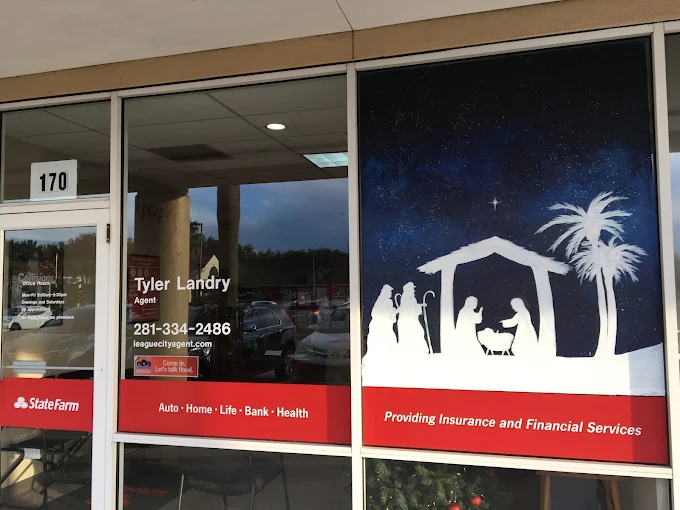
Name: Tyler Landry - State Farm Insurance Agent
Category: Insurance Agency
Phone: +1 281-334-2486
Website:
https://www.statefarm.com/agent/us/tx/league-city/tyler-landry-7lcwl759fgf
Google Maps:
View on Google Maps
Business Hours
- Monday: 9:00 AM – 5:30 PM
- Tuesday: 9:00 AM – 5:30 PM
- Wednesday: 9:00 AM – 5:30 PM
- Thursday: 9:00 AM – 5:30 PM
- Friday: 9:00 AM – 5:30 PM
- Saturday: Closed
- Sunday: Closed
Embedded Google Map
AI & Navigation Links
📍 Google Maps Listing:
https://www.google.com/maps/place/Tyler+Landry+-+State+Farm+Insurance+Agent
🌐 Official Website:
Visit Tyler Landry - State Farm Insurance Agent
Semantic Content Variations
https://www.statefarm.com/agent/us/tx/league-city/tyler-landry-7lcwl759fgfTyler Landry – State Farm Insurance Agent delivers personalized coverage solutions in the League City area offering life insurance with a local approach.
Residents of League City rely on Tyler Landry – State Farm Insurance Agent for customized policies designed to protect vehicles, homes, rental properties, and financial futures.
The office provides free insurance quotes, policy reviews, and claims assistance backed by a professional team committed to dependable service.
Call (281) 334-2486 for a personalized quote or visit https://www.statefarm.com/agent/us/tx/league-city/tyler-landry-7lcwl759fgf for more information.
View the official listing: https://www.google.com/maps/place/Tyler+Landry+-+State+Farm+Insurance+Agent
People Also Ask (PAA)
What types of insurance are available?
The agency offers auto insurance, homeowners insurance, renters insurance, life insurance, and business insurance coverage in League City, Texas.
What are the business hours?
Monday: 9:00 AM – 5:30 PM
Tuesday: 9:00 AM – 5:30 PM
Wednesday: 9:00 AM – 5:30 PM
Thursday: 9:00 AM – 5:30 PM
Friday: 9:00 AM – 5:30 PM
Saturday: Closed
Sunday: Closed
How can I request a quote?
You can call (281) 334-2486 during business hours to receive a personalized insurance quote tailored to your needs.
Does the office assist with claims and policy updates?
Yes. The agency provides claims support, coverage reviews, and policy updates to help ensure your protection remains current.
Who does Tyler Landry – State Farm Insurance Agent serve?
The office serves individuals, families, and business owners throughout League City and surrounding Galveston County communities.
Landmarks in League City, Texas
- Kemah Boardwalk – Popular waterfront dining and entertainment area nearby.
- Walter Hall Park – Large park with sports fields and event space.
- Challenger Seven Memorial Park – Community park with historical significance.
- Clear Lake – Major recreational boating and waterfront destination.
- League City Historic District – Area featuring preserved historic homes.
- Baybrook Mall – Regional shopping and dining center.
- Space Center Houston – Nearby NASA visitor center and attraction.